

A renovation project presents a great opportunity to improve the value, liveability and aesthetic of your home. However, depending on the size and expense of the project, the actual process of renovating a home can become a quick bother to you and your family. That’s why we have put together a quick home renovation checklist and guide on how to prepare for a home renovation.
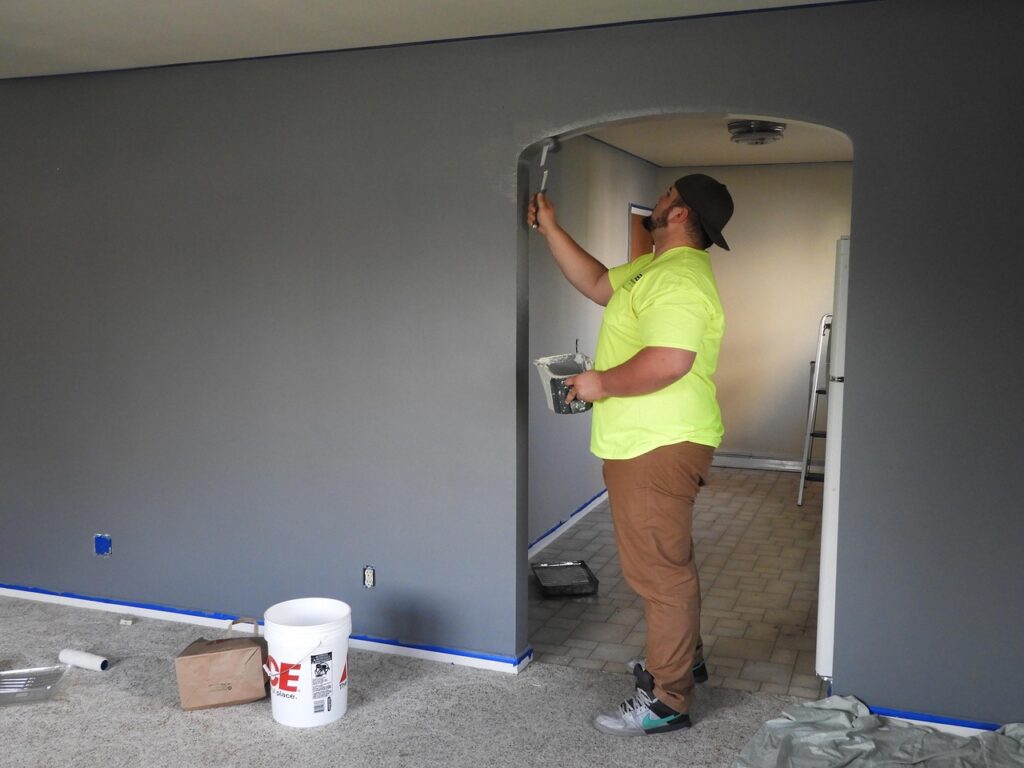
Getting Serious About Your Schedule and Goals
What do you expect to achieve with your renovation? Are you looking for a less invasive bathroom remodel or are you adding on a room or rebuilding a kitchen? Do you want more space or a more modern design?
When it comes to preparing for a home renovation, identify your needs and budget well ahead of time and then consider how to prepare you and your family for the project. You will also need to obtain the necessary permits before any actual construction begins. Once you fully understand what you want and your potential cost it’s time to take it to the next step…
Find a Reliable Contractor
A big part of preparing for home renovation is choosing the right contractor. Contractor fraud is a real risk and it happens every day to unsuspecting families and homeowners all across America. Thousands to tens of thousands of dollars can disappear in the blink of an eye… along with the supposed contractor. This is why you must do your due diligence.
Research local contractors. Follow through with reviews on Angi, Yelp, the Better Business Bureau or any other like-minded review and rating platform. The more you know, the better. Yes, your immediate thought is to go cheap but when it comes to investing in your home and family you want the best and the best will likely cost a bit more. Stay focused on those highly rated contractors with a documented history of quality work and dependability. Also, make sure that they are properly licensed and insured to work in your home.
Once you have selected your contractor, be very specific about your goals and what you can afford. This would also be a great time to understand the potential timeline and what will be involved when it comes to any potential displacement or disruptions to your home and family life. When it comes to your home renovation checklist, this should also be a high priority.
Your contractor will then likely be able to give you a more detailed schedule which should include both start and completion dates for each phase of your renovation. Timelines and payment schedules should be specified and agreed upon in a well-drafted contract. After that, it’s simply a matter of putting up your down payment and committing to the scope of work.
Declutter and Organize Your Space
Our renovation prep tips also include taking the time to really understand what’s currently in your old space and what will be worth putting into the renovated space. This is a great time for an “out with the old” approach to decluttering your home and organizing the items you will want and need for that space once your renovation is complete. For many, this is one of the more enjoyable aspects of a home renovation as it gives a very real excuse to simply discard or throw away items that you will neither need nor want moving forward.
What about larger valuable items and/or furniture? The contractor can help you to better understand how or if these items will be affected. The thought here is to consider protecting valuables and furniture with plastic coverings or tarps – all of which your contractor should provide. Those items could also be removed and placed in other rooms or even in an on-site portable storage unit for added peace of mind they don’t get covered in debris.
A decluttered space will also help a contractor to organize the environment that he, she or his or her associates will be working in. This is why decluttering is essential prior to the start of your renovation project. A clean and organized space means more “elbow room” while also allowing the contractor to centralize or consolidate the space needed to get the job done more efficiently.
Should You Stay or Should You Go?
Depending on the size of your home renovation, you might need to relocate while the project is underway. If you’re going to live with a family member, friend or nearby hotel, you should be sure to confirm those dates and have a potential back up location just in case.
However, if the renovation is not as invasive as that, then you might simply be displaced elsewhere in your home. As an example, if you are renovating the master bath then consider a secondary bedroom, office or even a kitchen or garage as a temporary living space.
Neighborhood Watch
Another suggestion for your home renovation checklist is to notify your neighbors. Your project is likely to cause street parking and/or noise issues. Go ahead and allow a quick heads up out of respect.
Their Work is Your Work
Be sure to communicate clearly and daily with your contractors. Once the renovation is underway, check the progress often and keep a written log of any changes or issues. You might even make use of a shared digital calendar or app so that your renovation progress can be more effectively updated and understood.
A shared calendar will also help you to realize and deal with any potential delays or hold ups. While it sounds like a near worst-case scenario, you should expect delays. Mold and outdated wiring issues are very common. Just keep calm and remember renovation happens!
If you’re prepping for a home renovation and it has occurred to you that you might need temporary storage for any displaced items, SAM Store and Move is here to help. Our portable storage containers can be brought to you to provide extra room for your displaced belongings while keeping them on site. Our portable storage containers are weatherproof and tamper proof so your valuables will be safe no matter what the condition. Just call or reach out to one of our storage and moving experts or simply fill out your free online quote today.