
Warehouses! A concept familiar with our ancient ancestors as early as they started storing belongings. What did we call those places where early man kept all his “stuff?” Caves!
Fast forward to our present year and it’s clear that our modern-day caves are the foundation for both big and small businesses. From logistics to commercial and industrial operations, traditional warehouses have long been the go-to for storing and managing inventory as well as supporting the flow of products. However, times are changing and business owners are starting to realize the limitations and drawbacks of warehouse storage. Let’s take a closer look at those limitations and how portable storage units are now revolutionizing how we keep and sell all our “stuff”.
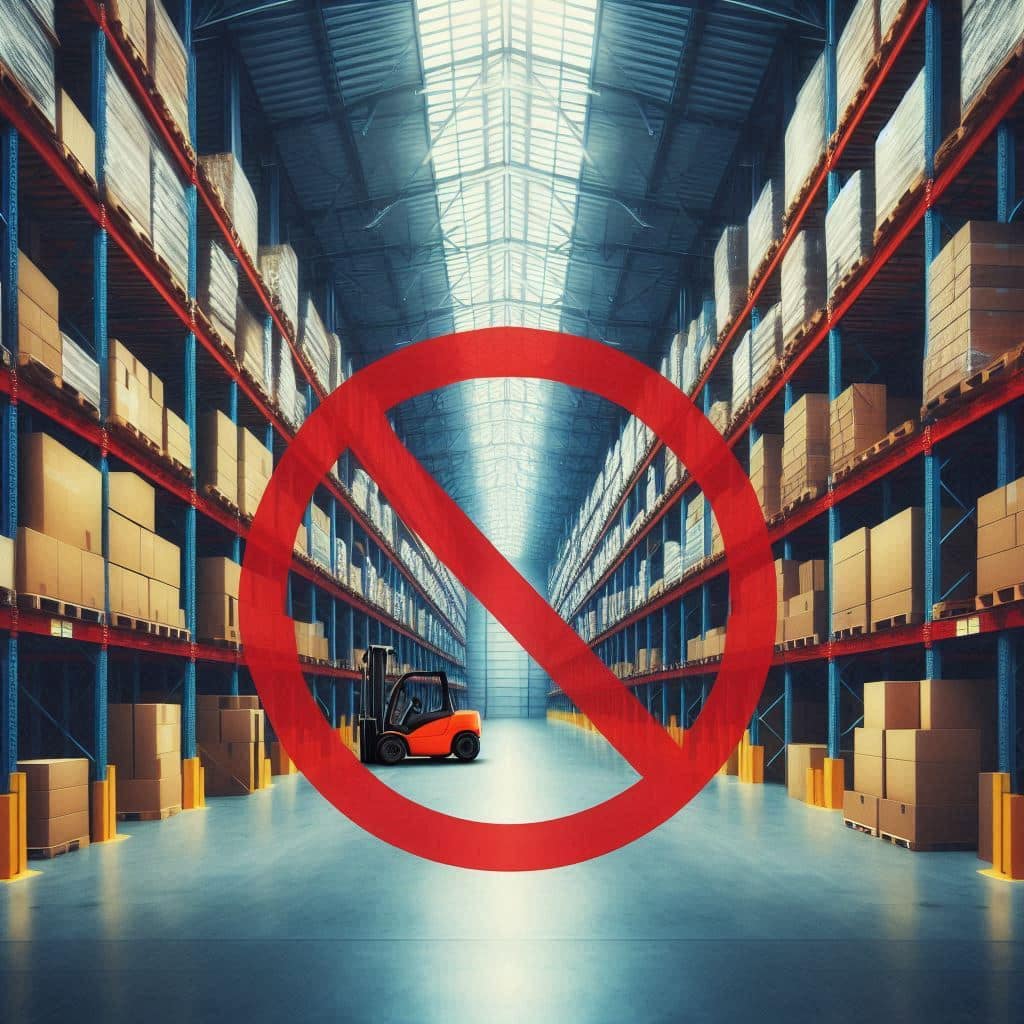
Being Immobile in a Mobile World
One of the more obvious drawbacks of warehouse storage is its lack of mobility in a very mobile world. A warehouse operates from a fixed location. As a result, that static inventory must be transported from those centralized sites and often over a considerable distance.
How does this affect your business operation? The logistics of it and transportation costs are the first concern. When a warehouse is far from retail locations and customers, a business owner will need to assess those associated expenses. This can be pricey in terms of both money and time.
If a retail location is remote or in a rapidly expanding market, then that could also create problems. This is because those areas might not yet have a warehouse infrastructure. This could limit one’s ability to reach those markets in need.
Delays are also not only possible but they should be expected. The longer the distance between a warehouse and the intended retail space or market, the more likely the potential for delays in transport. This can result in more headaches and budgetary issues.
This is where you might notice one of the many benefits of using portable storage containers. To start with, a portable storage unit is mobile by definition and can be delivered directly to a business site, construction area or event location. The flexibility of these units means that businesses are able to adapt to inventory and storage needs on the fly. Business owners are also able to respond to project demands and expanding markets.
Operational Costs
Leasing or owning a warehouse or a network of warehouses is costly and you may not require the scope for minimum storage options. This tends to involve a considerable investment by a business owner and we’re not just talking about the price of a lease or deed. There’s also the matter of insurance premiums, maintenance, utilities (which will only rise), security and, of course, property taxes. Overall, owning or leasing a warehouse represents a serious long-term financial commitment. You can also expect that investment to become more costly if you need to expand on the property to accommodate more inventory space.
How can a portable storage container make it all better? Customization of lease terms down to the month and the ability to use as many or as few portable storage units as your needs require. Businesses can simply pay for what they need and when they need it. Companies can increase or decrease their storage demands on the fly and without major capital outlays or additional investments. Portable storage containers’ biggest advantages are customization and flexibility compared to traditional warehouses.
Storage Efficiency in Today’s Commercial World
Another drawback when it comes to warehouse storage is the overall inefficiency of the space. Many warehouse owners quickly realize that there is wasted square footage. Some areas of a warehouse might have a floor plan or layout limitations that prohibit proper usage. There’s also the matter of seasonal highs and lows. This means that a business might have a good deal of warehouse space that must still be cooled or heated at times when the inventory is in real demand and no longer on site. Also, changing storage configurations in a large space can be daunting and require considerable downtime.
Another benefit of portable storage containers is how flexible they are when it comes to size and usability. If you need to move inventory around or configure it in a very specific way, the win, again, belongs to the portable storage container. The size and adaptability of these units means that businesses are not wasting money and time paying for more storage than needed with fluctuating inventory.
Location, Location, Location
For the most part, traditional warehouses are located in industrial zones. These zones are not often conjoined or near popular retail markets. Therefore, local access can be a bit trying and, again, transport costs add up. To the point, a warehouse can be convenient but it’s rarely where you need it to be.
In the “traditional warehouse vs storage containers” war, here’s another battle that goes to the portable storage container. It’s the word “portable” that stands out in this particular instance. A portable storage unit can be brought directly to you or a local retail space. This on-site convenience means that inventory is there as needed and that can make a big difference when it comes to seasonal inventory fluctuations and availability.
Zoning and Regulatory Limitations?
Yes, warehouses can face a variety of zoning restrictions because of local ordinances or environmental regulations. Also, properties are not commonly zoned for warehouse use and this can make it tricky for business owners to expand or relocate.
Portable Storage Containers Can Also be Warehoused
Choosing portable storage over traditional warehousing does not mean you forfeit the benefits of the warehouse. Companies, such as us here at SAM Store and Move, handle the transportation for you and allow you to handle your storage needs off site and in our warehouse. Best of both worlds.
If your business is looking for an affordable alternative storage solution, you’re where you need to be. SAM Store and Move can offer you temporary, seasonal or year-round storage solutions for your business inventory. Get your free quote by filling out the form on this page or give us a call today to discuss your needs.